
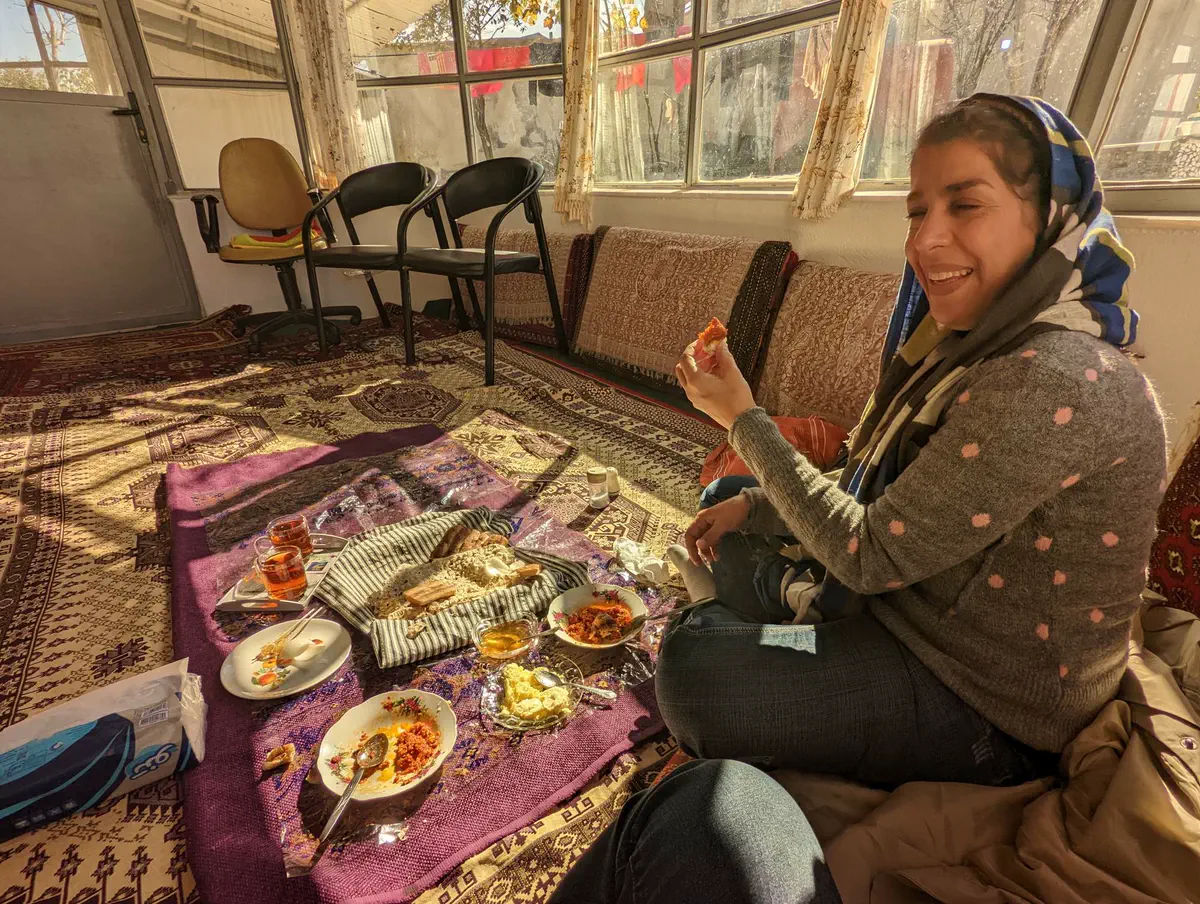
Groups move at a different pace. The shared programme, decision-making roles, arrival patterns, and the balance between collective and individual time all deserve attention before operational detail is discussed.
Start with the group brief
A clear purpose helps determine how much time should be shared, what needs to stay flexible, and which practical questions require early attention.
Coordination is part of the experience
Meeting points, transitions, and a realistic daily rhythm can make a meaningful difference to a group’s experience of place.
No unsupported operational claims
DIBA does not publish capacity, departure dates, rates, or programme commitments here. Those items require a separate, owner-approved planning process.
Start with the shared purpose
A group journey becomes clearer when its purpose is stated early. Cultural interest, professional exchange, family gathering, or another shared reason changes how much time should be collective and where choice should remain individual.
The early brief should indicate approximate group size, timing, arrival pattern, decision makers, and any needs that affect pace or mobility.
Designing room around the programme
Coordination is not just logistics. Meeting points, transitions, meals, and time apart influence whether people can actually experience a place rather than merely move through it.
This page does not promise capacity, dates, rates, or a programme. It describes how a group conversation can become more precise before operational planning begins.