

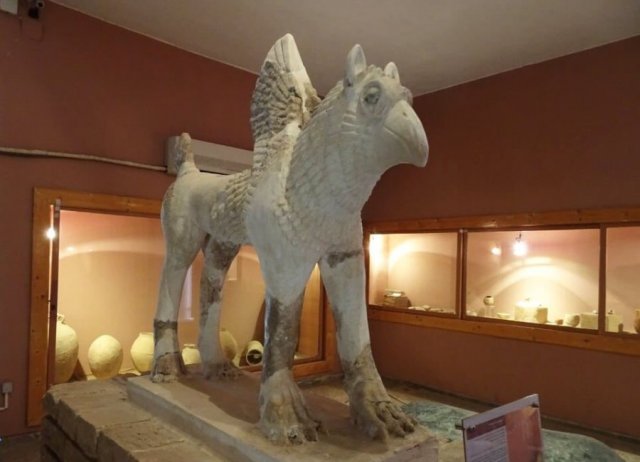
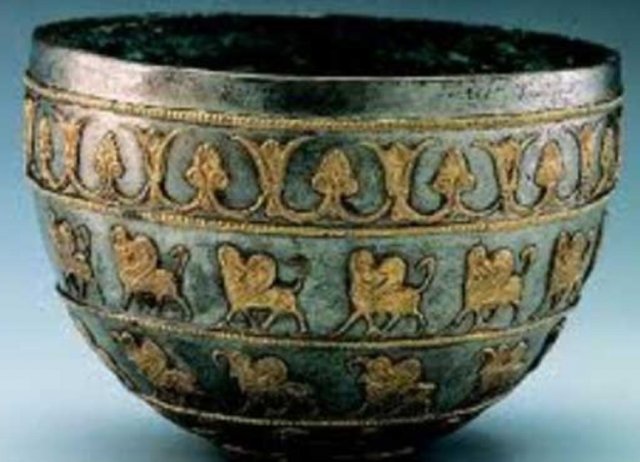
Haft Tepe is an archaeological site situated in the Khuzestan Province in south-western Iran.The site is around 1.5 km by 800 meters .
diba
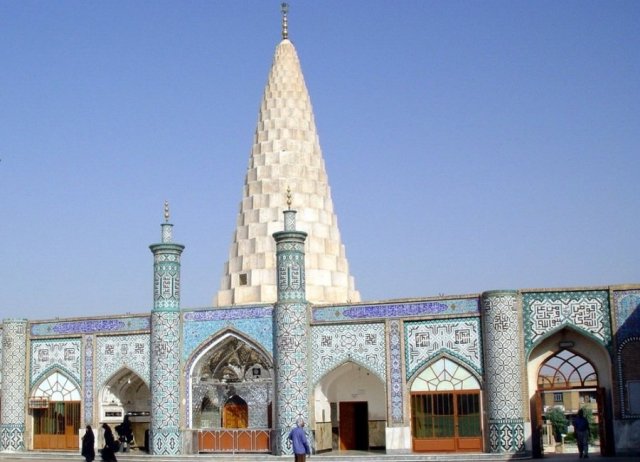
The most famous religious site in Khuzestan is the Shrine of the biblical and Islamic prophet Daniel which is located in Susa.
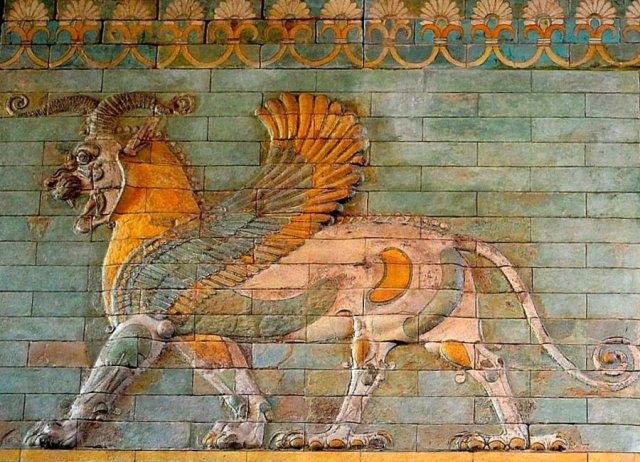
Susa was among the greatest cities of ancient Persia. Built on its embers,home to a vast Unesco-listed archaeological site

Bijar is located in the Kurdistan Province of Iran at equal distance from the cities of Zanjan and Hamedan .
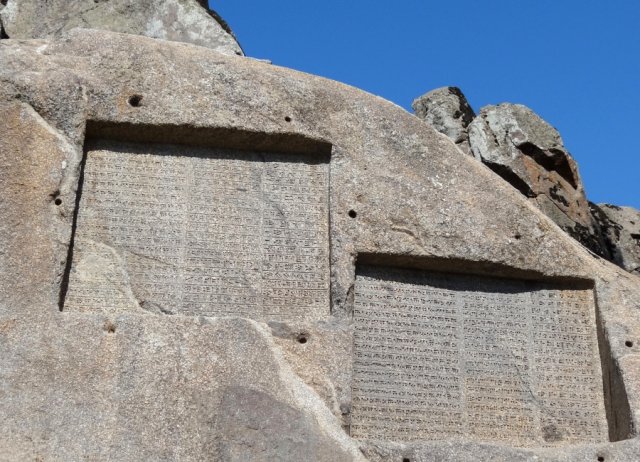
Ganjnameh is so named because its cuneiform rock carvings were once thought to be cryptic clues leading to caches of Median treasure.
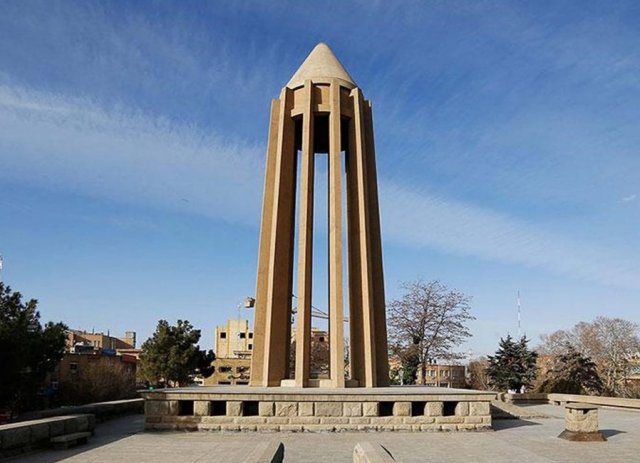
Hamadan’s iconic 1954 BuAli Sina (Avicenna) Mausoleum dominates his namesake square and resembles a concrete crayon pointing to the heavens.
The view of distant mountains from the top of this low, open hill is pleasantly rewarding, especially in the late afternoon
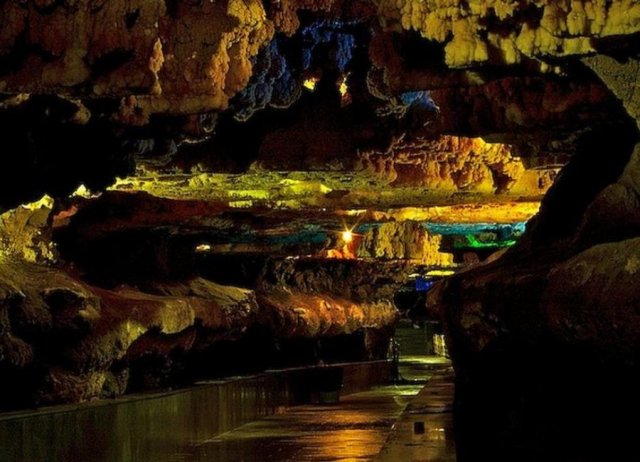
The Ali-Sadr Cave, is the world’s largest water cave which attracts thousands of visitors every year.
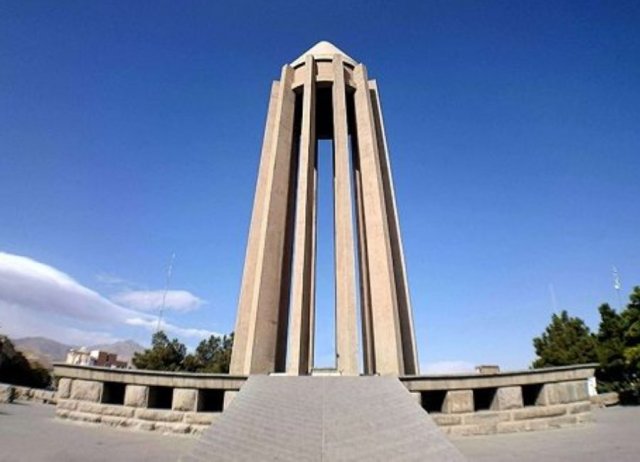
Hamedan is believed to be among the oldest Iranian cities. It is possible that it was occupied by the Assyrians in 1100 BCE; the Ancient Greek historian, Herodotus, states that it was the capital of the Medes, around 700 BCE.
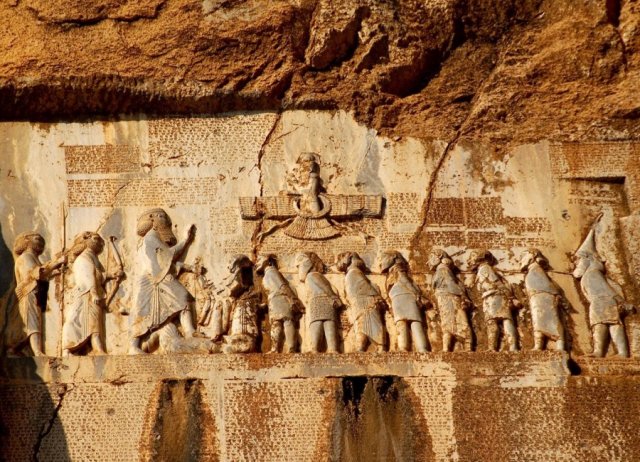
Bisotun is an archaeological site containing remains dating from pre-historic times through the history of ancient Persia
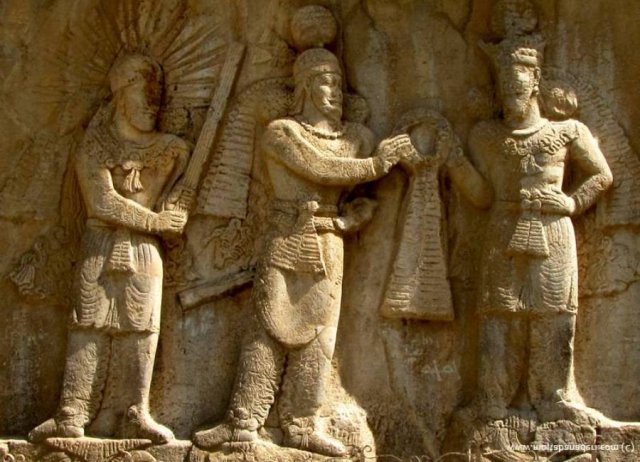
Taq-e Bostan is a site with a series of large rock reliefs from the Sassanid Empire of Persia (Iran).carved around the 4th century CE
Kermanshah is the central city in the west of Iran, has a large population. Kermanshah developed in the 4th century AD under the patronage of Sassanian kings. Briefly renamed Bakhtaran in the 1980s.